-
-
Mon - Sat 9:00 AM - 6:30 PM
-
Plot No. 366, Shree BS Chemicals, Sector 29, Part 2, Panipat, Haryana
Trisodium Phosphate (Textile Chemicals)
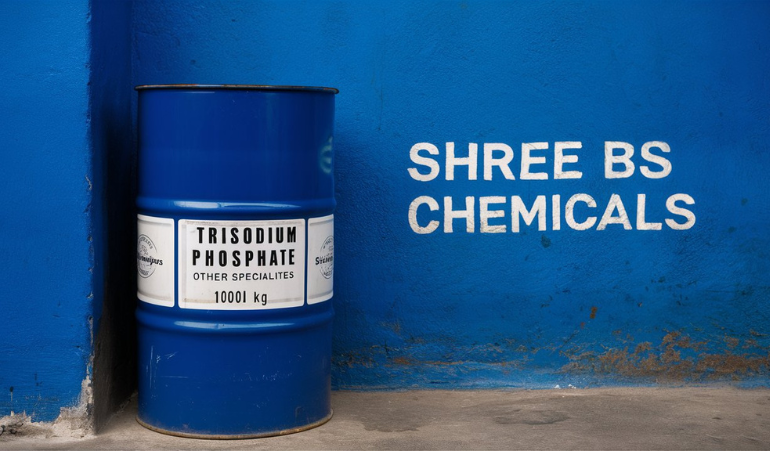
Trisodium Phosphate (Textile Chemicals)
Trisodium phosphate is used as a water softener and source of alkalinity in the textile industry for fiber-reactive dyeing processes, especially for cotton and cotton blends. Trisodium Phosphate makes the dyeing process less sensitive to pH swings, which can increase production rates.
Trisodium phosphate is used as a cleaning agent, builder, lubricant, food additive, stain remover, and degreaser.
Its use makes the dyeing process less sensitive to pH swings that might otherwise occur. This can lead to increases in the production rates in dyeing processes.
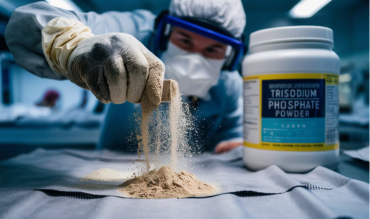
Benefits of Using TSP In Textile Industry
-
Efficiency in Processing
-
Enhanced Dye Uptake
-
Improved Fabric Quality
How is Trisodium Phosphate used in textile processing?
Trisodium Phosphate is used in textile processing for scouring, as a detergent, for pH adjustment, water softening, as a sequestering agent, and for stain removal.
How does Trisodium Phosphate help in dyeing textiles?
Trisodium Phosphate helps in dyeing by adjusting the pH of the dye bath to optimal levels and softening the water, ensuring better dye uptake and color consistency.
What are the safety precautions when using Trisodium Phosphate in textile processing?
When using Trisodium Phosphate, it is important to wear appropriate personal protective equipment (PPE) such as gloves and goggles to avoid skin and eye contact. Adequate ventilation should also be maintained to avoid inhalation of dust.