-
-
Mon - Sat 9:00 AM - 6:30 PM
-
Plot No. 366, Shree BS Chemicals, Sector 29, Part 2, Panipat, Haryana
Pine Oil (Textile Chemicals)
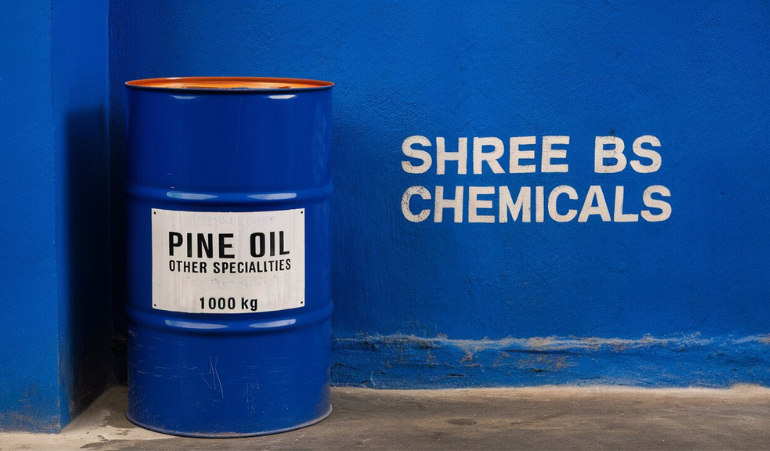
Pine Oil
Pine oil enhances the effectiveness of various wet processing steps, such as dyeing and printing. By improving the wetting properties of the fabric, it ensures that dyes and chemicals are absorbed uniformly, leading to more consistent and vibrant results.
Pine Oil is commonly used as a scouring agent to remove natural oils, waxes, and impurities from raw textiles, making them more absorbent for subsequent processing.
Additionally, it acts as a de-greasing agent, effectively removing lanolin and other natural fats from wool and other fibers. Its natural antiseptic properties can also help in maintaining hygiene and preventing bacterial growth during textile processing.
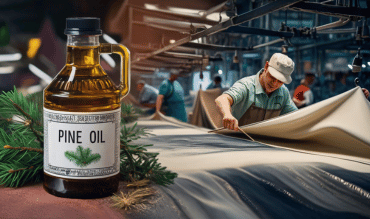
Benefits of Using Pine Oil in Textile Industry
-
Removes impurities from textiles
-
Promotes even dye absorption
-
Removes natural fats from fibers
How is pine oil used in textile processing?
Pine oil is used in several textile processes, including scouring, dyeing, and finishing. It helps remove impurities from fabrics, aids in the even application of dyes, and improves fabric properties.
Why is pine oil preferred over other solvents?
Pine oil is preferred because it is a natural, biodegradable alternative to synthetic solvents. It offers effective cleaning and degreasing properties while being less harmful to the environment.
How is pine oil applied in textile processes?
Pine oil can be applied through different methods, including adding it to washing or scouring solutions, incorporating it into dye baths, or using it in finishing treatments.