-
-
Mon - Sat 9:00 AM - 6:30 PM
-
Plot No. 366, Shree BS Chemicals, Sector 29, Part 2, Panipat, Haryana
Acetic Acid (Textile Chemicals)
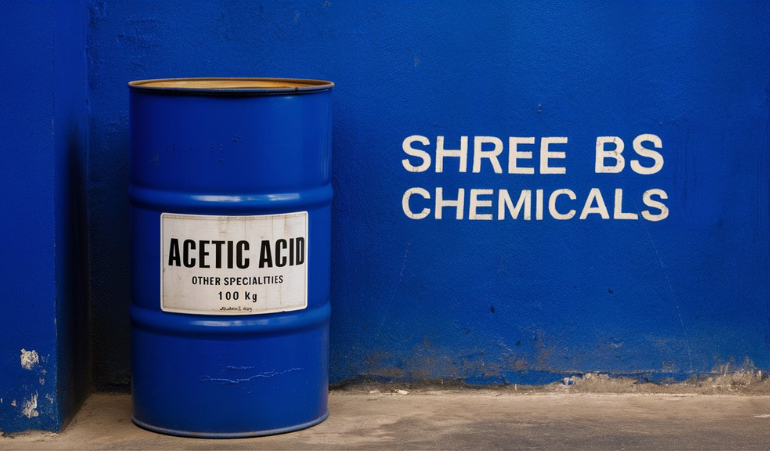
Acetic Acid
Acetic acid is a key chemical used in the textile industry, primarily as a mordant in dyeing processes. It helps to fix dyes onto fabrics, ensuring that colors are more vibrant and long-lasting.
Acetic Acid is used in the textile industry to increase the dye stability on cloth as well as acts as a solubilizing agent for water-insoluble Basic Dyes.
Additionally, acetic acid is used in the production of acetate fibers, which are valued for their softness and drape. In the textile finishing processes, acetic acid can also aid in the setting of dyes and improve fabric quality. Its role is essential in achieving the desired color intensity and durability of textile products.

Benefits of Using Acetic Acid in Textile Industry
-
Ensures vibrant, long-lasting colors
-
Enhances softness and drape
-
Reduces fading and washing out
-
Creates luxurious textile fibers
How does acetic acid affect dyeing?
Acetic acid helps to bond dyes with the fibers, ensuring that the color is more vibrant and resistant to washing and fading. It improves the dye uptake and color fastness of the textiles.
Is acetic acid safe to use in textile processing?
When used properly, acetic acid is generally safe for textile processing. However, safety guidelines should be followed to handle it appropriately, as it is an acidic substance that can be corrosive.
How is acetic acid applied in the textile industry?
Acetic acid is typically applied during the dyeing process, either by adding it directly to the dye bath or by using it in a separate mordanting process. The application method depends on the specific dyeing technique and desired outcomes.