-
-
Mon - Sat 9:00 AM - 6:30 PM
-
Plot No. 366, Shree BS Chemicals, Sector 29, Part 2, Panipat, Haryana
Ethylenediamine Tetraacetic Acid (Textile Chemicals)
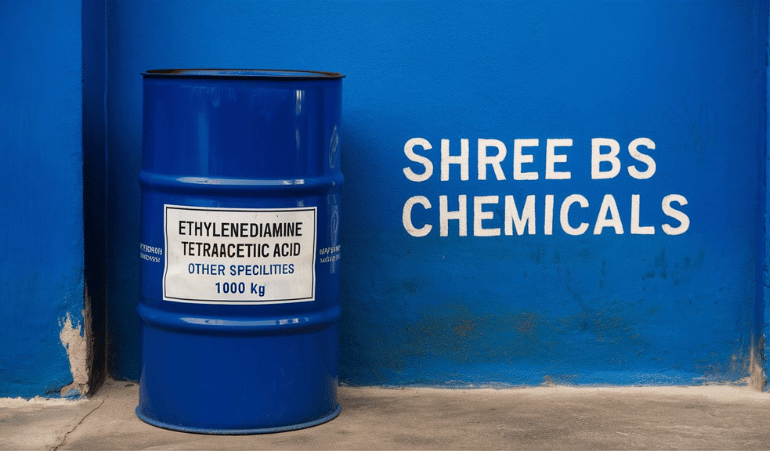
Ethylenediamine Tetraacetic Acid
Ethylenediamine tetraacetic acid (EDTA) is a specialty chemical used in the textile industry as a chelating agent to bind metal ions in aqueous solution. This prevents metal ions from altering the colors of dyed fabrics and protects them from deterioration.
Ethylenediamine Tetraacetic Acid is also used in other industries, including water treatment, pharmaceuticals, and food.
Ethylenediamine Tetraacetic Acid acts as a chelating agent, binding to metal ions in aqueous solution to form stable complexes. This protects fabrics and dyes from deterioration caused by metal ions.
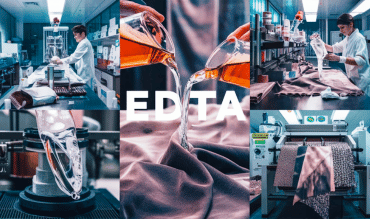
Uses Of EDTA in Textile Industry
-
Removes metal ions during scouring
-
Softens water by chelating metal ions
-
Improves quality of fabric finishes
-
Stabilizes bleaching agents
What is Ethylenediamine Tetraacetic Acid in textile industry?
Ethylenediamine tetraacetic acid (EDTA) in the textile industry is used primarily as a chelating agent. It binds to metal ions, such as calcium and magnesium, which can interfere with dyeing processes. By sequestering these metal ions, EDTA enhances dye uptake and color consistency in fabrics. Additionally, it prevents the formation of insoluble precipitates that can cause fabric discoloration and damage. This results in improved textile quality and more efficient processing.
What are the benefits of Ethylenediamine Tetraacetic Acid in textile industry?
Ethylenediamine tetraacetic acid (EDTA) enhances the textile industry by binding metal ions, ensuring uniform dyeing, preventing fabric discoloration, and improving overall fabric quality. It softens water, stabilizes pH levels, and supports efficient textile processing, leading to vibrant, consistent colors and durable fabrics.